Lake Como · Il Lario
Discovering Lake Como
From Bellagio to Varenna, from Como to Menaggio: La Cà del Pitu sits at the heart of the stretch of lake that many consider the most beautiful and representative of the Lario. Historic villas, waterfront villages, gardens, churches and panoramic paths are woven into a landscape of exceptional density and beauty. Tremezzina is the ideal starting point — discreet, harmonious and perfectly connected to the lake's most beloved destinations.
Como is the elegant urban gateway to the lake — a city where Roman heritage, medieval substance and classical architecture blend with remarkable ease. The Cathedral of Santa Maria Assunta, begun in 1396 and completed with its dome in 1744, is one of the great sacred buildings of northern Italy. Also worth visiting: the Romanesque basilica of Sant'Abbondio, the historic city walls and a cultural depth that makes Como far more than a mere transit point.
Como is equally a city of science, craftsmanship and taste. The Tempio Voltiano honours the legacy of Alessandro Volta; a rich silk heritage tells of centuries of manufacturing excellence; the funicular to Brunate opens up views over the lake and Pre-Alps in minutes. Villa Olmo is one of the city's great addresses, while Como 1907 has given the city a new sporting prominence in recent years.
Bellagio occupies the tip of the peninsula dividing the two southern arms of the lake and has long been the most iconic image of Lake Como. Its charm springs from its stepped lanes, stone staircases, small squares and a distinctive topographical tension between water and height. Despite its worldwide fame, Bellagio retains — in the quieter hours of the day — a beauty that is collected and almost contemplative.
Its most celebrated sites include the gardens of Villa Melzi d'Eril, among the most refined on the lake, and the park of Villa Serbelloni, which can only be visited on a guided tour. This measured accessibility only adds to the place's quiet prestige. The crossing from Tremezzo to Bellagio takes about 15 minutes by ferry.
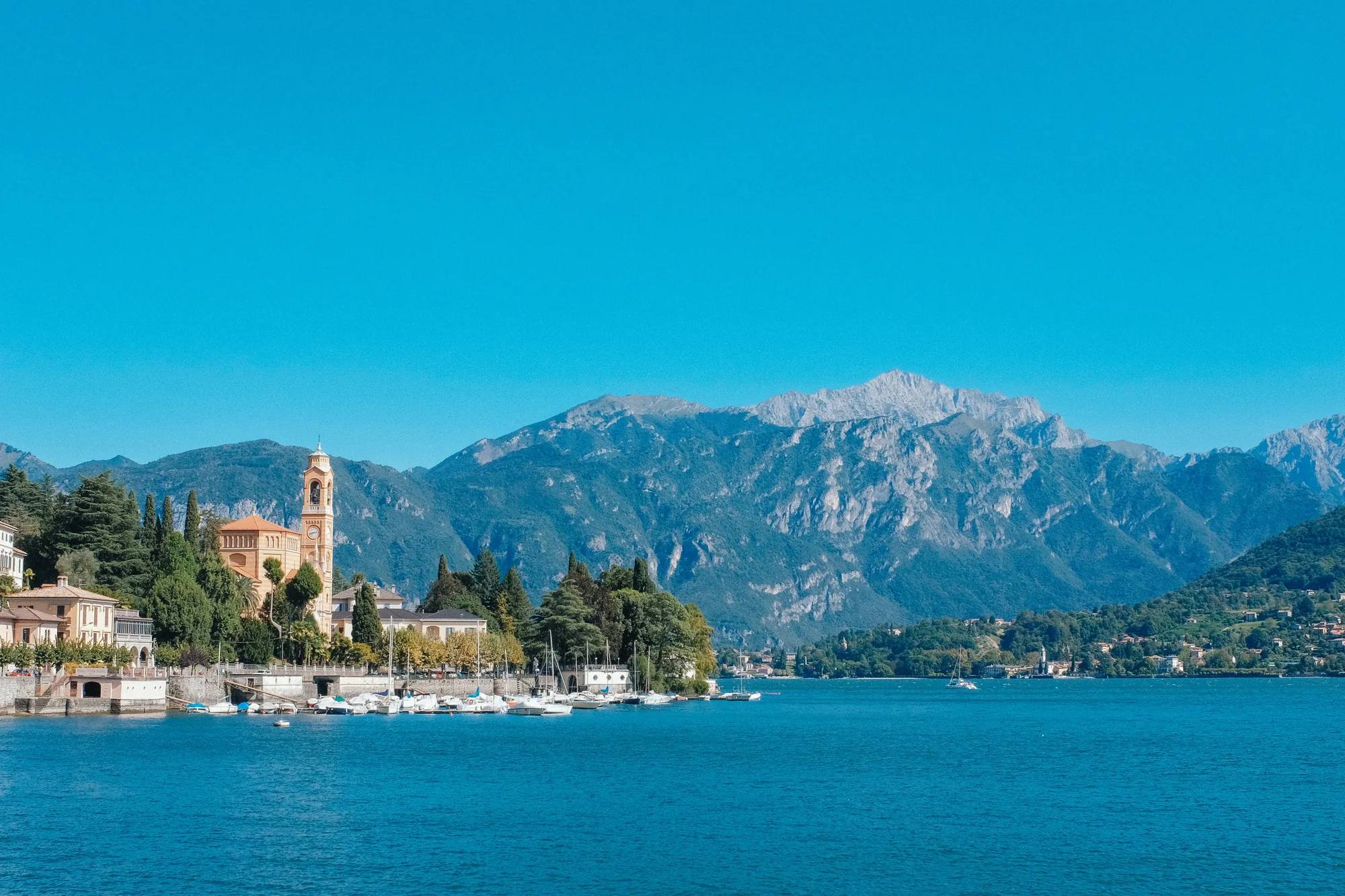
Tremezzina is the municipality where La Cà del Pitu is located — and one of the most cultivated and harmonious stretches of the entire Lario. Tremezzo, Lenno, Mezzegra, Ossuccio and other historic hamlets follow one another along the western shore in a continuous sequence of villas, churches, olive groves, lakeside promenades and broad views over the central lake.
Its highlights include Villa Carlotta, Villa del Balbianello, the Isola Comacina and the Greenway del Lago di Como. This panoramic trail weaves through the historic villages of the western shore past gardens, villas, Romanesque churches and lake views at a gentle pace. Nearby, about 15 km away, the Museo della Barca Lariana traces two thousand years of lake navigation. It is precisely this combination of landscape beauty and cultural depth that makes Tremezzina such a special place.
Among the central lake villages, Menaggio has a particularly lively, almost urban character. Its piazza, lakeside promenade, shops and cafés give it an openness that sets it apart from a simple picturesque village. At the same time, the town remains deeply rooted in the lake and the mountains, and represents one of those rare places where everyday life, quiet elegance and a departure point for excursions coexist in balance.
Above the town, in Loveno di Menaggio, stands Villa Vigoni — today the Italian-German Centre for European Dialogue. Its park, rich in ancient trees and views designed into the landscape, is one of the most extraordinary green compositions on the lake. Menaggio is also the ideal starting point for hikes towards La Grona (1,736 m).
Varenna is one of the most atmospherically intense places on the eastern shore. Coloured houses, narrow lanes, a small harbour and a quiet elegance give it an almost Mediterranean quality. The Passeggiata degli Innamorati (Lovers' Walk) is emblematic — leading the visitor from the jetty into the old town in one of the most romantic promenades on the lake. Contrary to popular assumption, Varenna is easily reachable not only by ferry but also by train.
Among its finest sights are Villa Monastero, with its long botanical garden stretching along the water, and the Castello di Vezio, which commands the central lake from above with one of the most memorable views on the entire Lario.
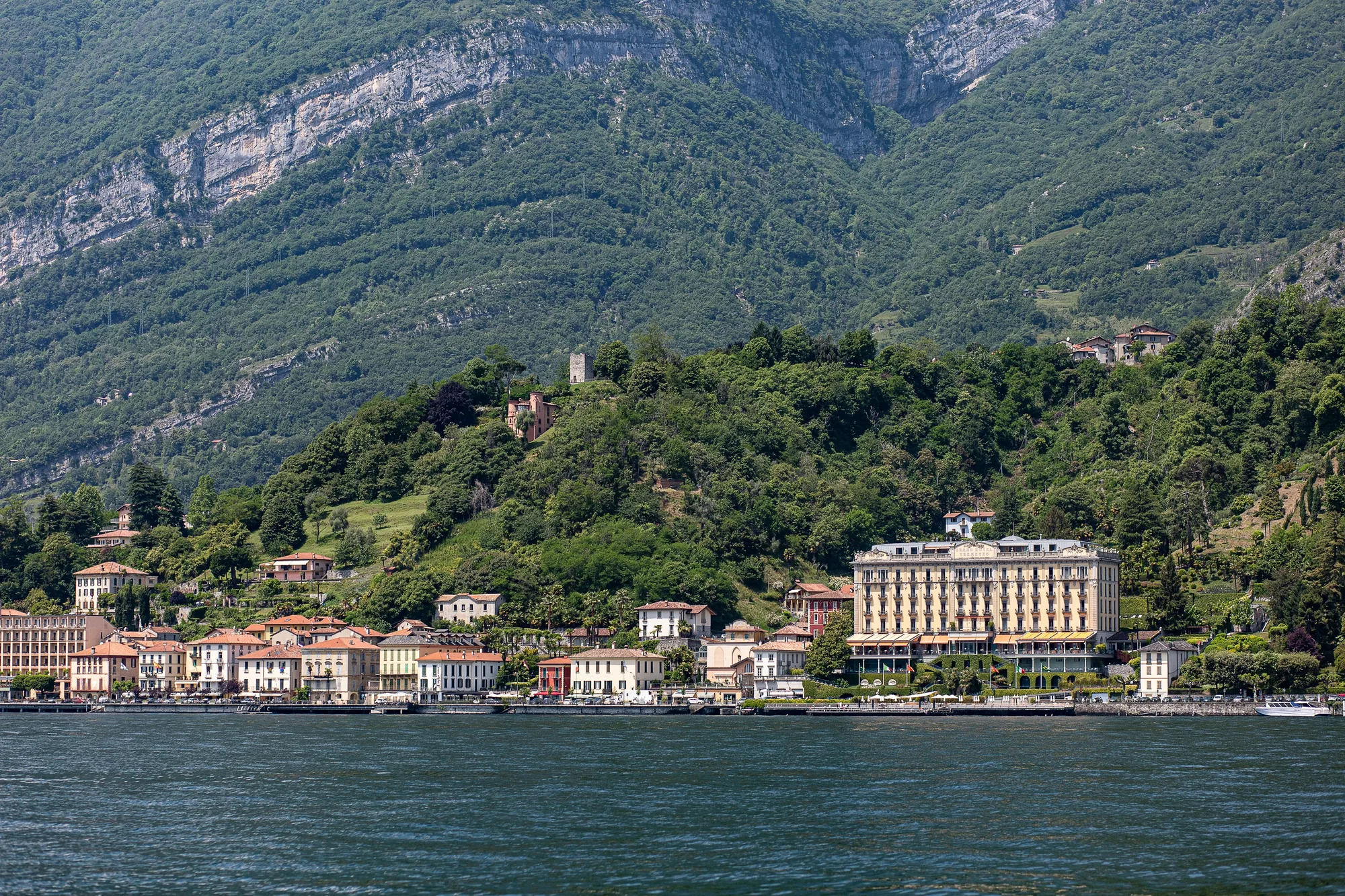
Just a few kilometres from Como, Cernobbio has long been associated with an idea of lakeside aristocracy and great international hospitality. At the centre of this image stands Villa d'Este: born as a noble residence in the 16th century, it is today one of the absolute icons of luxury hospitality on Lake Como. Its silhouette from the water — white facade, lush park, waterfront — is one of the most evocative images of the Lario.
A different but equally fascinating face of Cernobbio is Villa Bernasconi. This refined Art Nouveau villa, commissioned by Davide Bernasconi, is today a public museum; its ornamental facade — with references to the world of silk — makes it one of the most interesting architectural episodes on the lake.
At the upper end of the western shore lies Dongo — a place where landscape quietude and historical memory intertwine with particular intensity. The Museo della Fine della Guerra recalls the capture of Benito Mussolini and other leaders of the Italian Social Republic here on 27 April 1945. Palazzo Manzi, today the municipal seat, is itself central to that memory. The following day, 28 April 1945, Mussolini was shot at Giulino di Mezzegra — a hamlet of present-day Tremezzina — where a cross still marks the spot.
Lecco marks the southern end of the eastern arm and presents a dramatically different landscape from the villa villages of the central lake. Here La Grigna (2,410 m) and Il Resegone (1,875 m) descend to the water with an almost alpine force. The city is deeply connected to Alessandro Manzoni; his novel The Betrothed is set here, and Villa Manzoni is open as a museum. Lecco represents the rougher, less scenic but all the more authentic dimension of the Lario.
To the north-east, Mandello del Lario is home to the long history of Moto Guzzi (founded 1921). The Moto Guzzi Museum is being redesigned; visits are currently by appointment. Also in Mandello: the Museo della Barca Lariana, with one of the world's most important collections of historic watercraft, tracing two millennia of lake navigation.
Lakeside villas
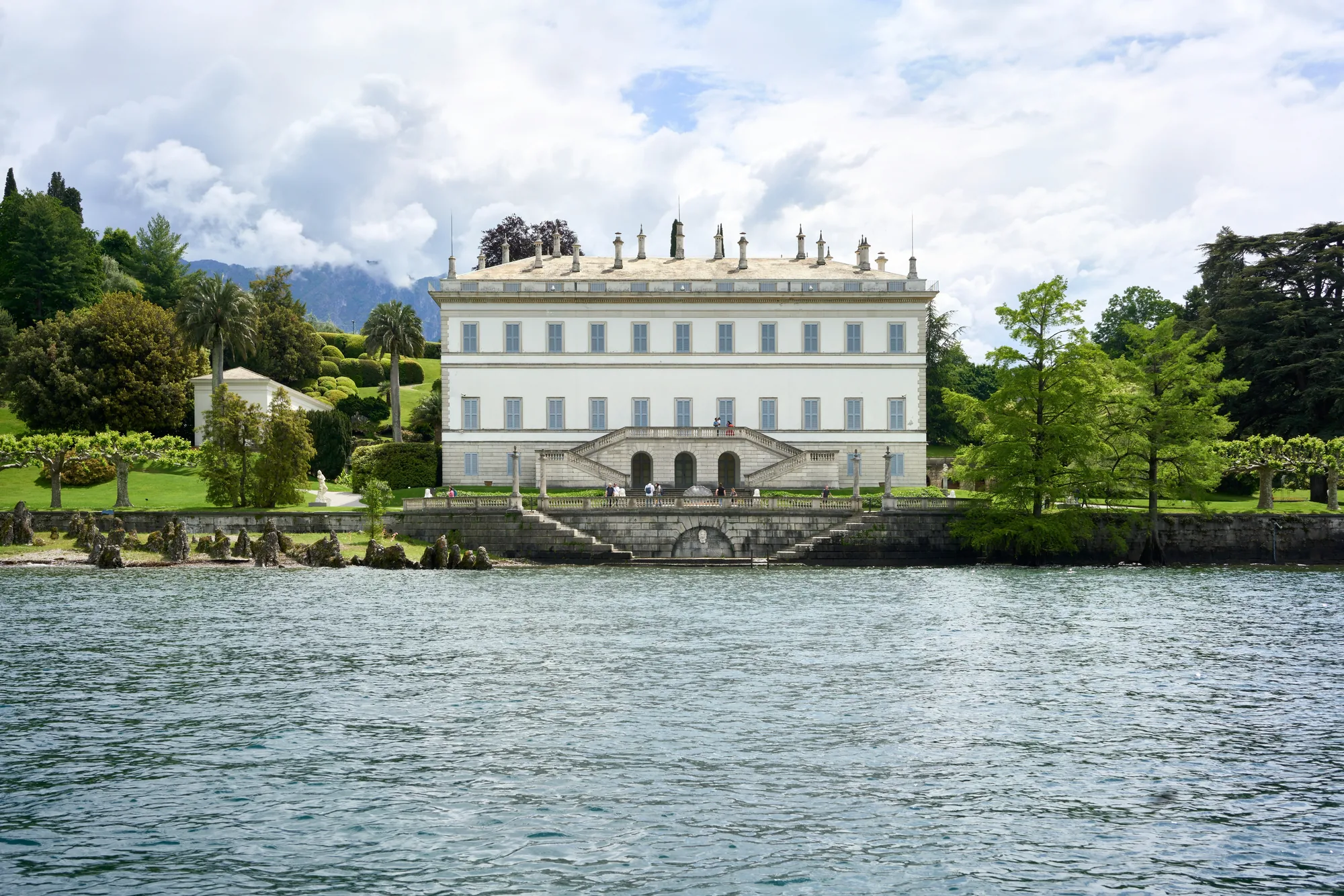
Villa Monastero in Varenna (botanical garden + museum, €13–15), Villa Melzi in Bellagio (neoclassical park, €10) and Villa Vigoni in Menaggio (Italian-German cultural centre, guided tours) embody the extraordinary villa culture of the lake. Further south, Villa d'Este in Cernobbio — one of Europe's most legendary addresses since the 16th century, today a grand hotel.
Cable cars & chairlifts
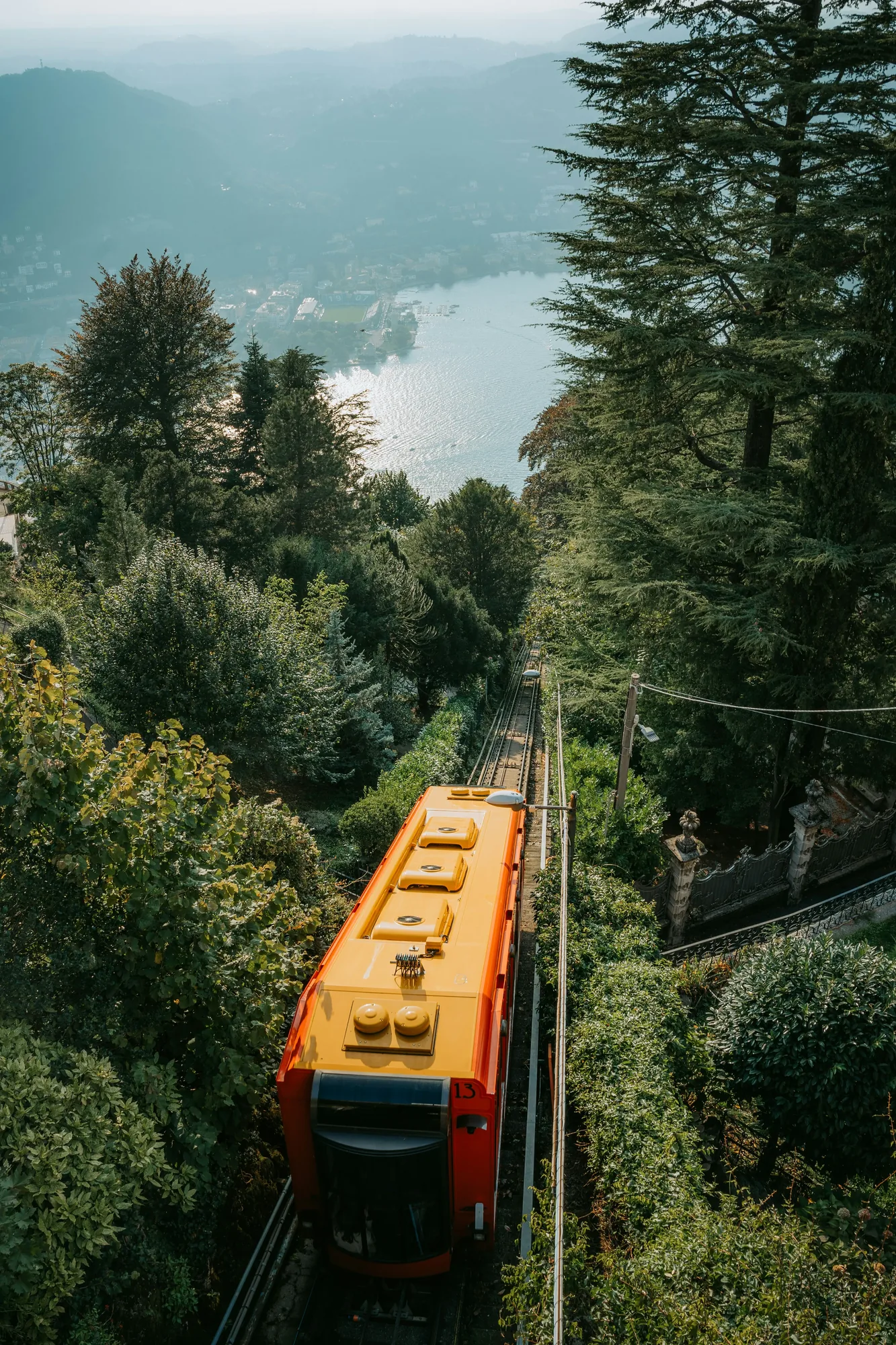
The Argegno–Pigra Cable Car (approx. 15 min from Tremezzina) climbs 648 m in just 4–6 minutes — one of the steepest cable cars in Italy. The views over the lake are breathtaking. In Como, the Brunate Funicular reaches the hillside village (715 m) in 7 minutes, with panoramas stretching to the Alps and the Po Plain. Both easily reached by ferry. Argegno Cable Car →
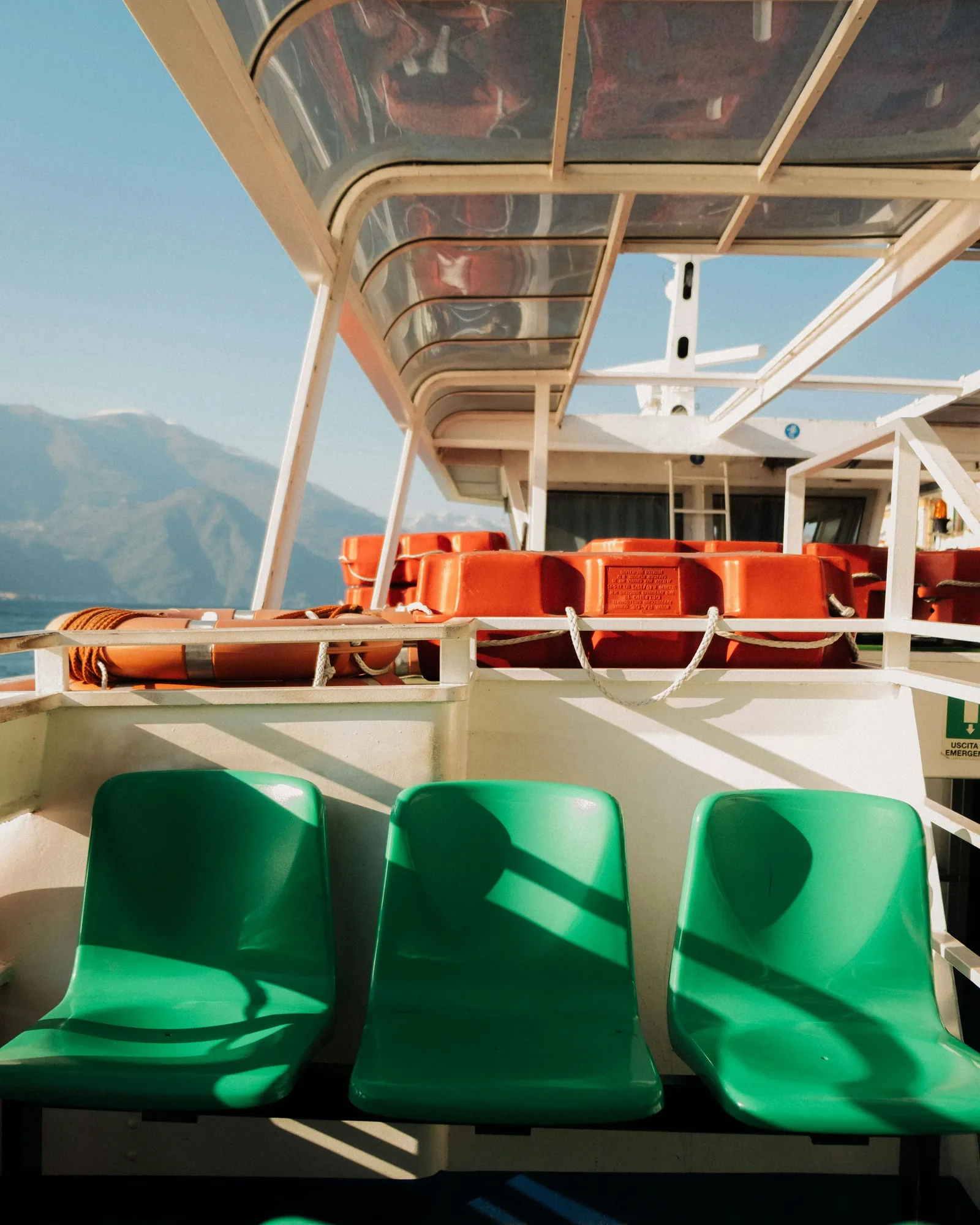
Getting around — Ferries
The Centrolago day pass from Navigazione Laghi (approx. €17.50/person) allows unlimited crossings in the central zone — Menaggio, Bellagio, Varenna, Cadenabbia, Tremezzo, Lenno — all day. Perfect for a multi-stop itinerary: morning in Bellagio, lunch in Varenna, afternoon in Menaggio. The Tremezzo and Lenno jetties are just minutes from La Cà del Pitu. navigazionelaghi.it →
Villa Monastero in Varenna combines monastic origins with residential elegance. Founded as a 12th-century Cistercian convent, it is today a museum, cultural venue and extraordinary botanical garden. Its lakeside frontage — stretching for nearly two kilometres — is one of the most evocative landscape sequences on the entire lake.
Opening hours: April–October daily (except Tuesday) from 9:30. Admission: garden + museum €15, garden only €13. Children under 14 free.
villamonastero.eu →In Bellagio, Villa Melzi d'Eril is one of the earliest and finest examples of neoclassical taste on Lake Como. Built in 1808–1810 for Francesco Melzi d'Eril, Vice-President of the Napoleonic Republic, its gardens blend landscape architecture, botany and lakeside openness into a composition of great serenity and nobility — azaleas, rhododendrons, cedars, lotus flowers and Japanese elements. The villa remains private; the park is seasonally accessible.
Open: 21 March–end of October, daily 10:00–19:00. Admission: €10 (children under 11 free).
giardinidivillamelzi.it →Villa Serbelloni commands Bellagio from an exceptional panoramic position — at the highest point of the peninsula, from which all three arms of the Lario are visible at once. The complex is used today by the Rockefeller Foundation as a study and conference centre; it retains a distinctive aura of history, discretion and expansive views. The large park can only be visited on a guided tour, and this restraint only adds to its prestige.
Guided tours: April–October, daily except Monday, at 11:00 and 15:30. Duration approx. 90 min., ticket approx. €9. Tickets at the Bellagio tourist office — places are limited.
Villa Olmo is the grand neoclassical residence overlooking the water in Como. Built in 1782–1787 for the Odescalchi family, it has been owned by the city of Como since the 19th century. Monumental and light-filled, it is today a venue for exhibitions, events and cultural life. The park is open free of charge every day (until 23:00 in summer). Next to it is the Lido Villa Olmo, one of the few public swimming facilities with direct access to the lake.
Villa Bernasconi in Cernobbio expresses the Art Nouveau face of Lake Como. Built in 1905–1906 for the engineer Davide Bernasconi by architect Alfredo Campanini, it is now a museum and cultural space; its history is deeply intertwined with the region's silk tradition. The ornamental facade — featuring silkworms, butterflies and mulberry leaves — makes it one of the most fascinating architectural episodes on the lake.
Open to the public; reachable by ferry (Cernobbio landing stage) or bus C10.
villabernasconi.eu →Between Ossuccio, Bolvedro and Lenno lie some of the most beautiful private villas on the lake. Villa Balbiano is one of the great historic residences of the western shore, with 17th-century frescoes; made famous by the film House of Gucci (2021), it is today rented as an exclusive private villa. Villa Sola Cabiati — an 18th-century neoclassical villa, now managed as Grand Hotel Tremezzo — has historic interiors of extraordinary preservation. La Cassinella embodies that rarest form of absolute privacy, visible only from the water.
None of the three villas are open to the public; the most evocative way to admire them is by ferry on the regular lake service, or on a private boat excursion from Tremezzo or Lenno.
Villa Vigoni in Loveno di Menaggio is both a place of great natural beauty and an important Italian-German cultural centre — officially: the "Italian-German Centre for European Dialogue", owned by the Federal Republic of Germany. The complex was created in 1829 as a wedding gift from Frankfurt merchant Heinrich Mylius; in 1978 the last heir, Ignazio Vigoni, donated it to the German state.
The 19th-century English landscape park of around 40 hectares — with ancient trees, panoramic terraces and magnificent lake views — is among the most extraordinary green compositions on the Lario. Guided public tours from March to October, excluding August.
villavigoni.eu →Villa d'Este in Cernobbio is far more than a grand hotel: it is a symbolic figure of the international style of Lake Como. Founded as a cardinal's residence in the 16th century, it later served as the home of Queen Caroline of England before becoming a grand hotel in 1873. It unites Renaissance origins, garden design and hospitality tradition in an image of timeless grandeur.
The villa is not open to the public — except as hotel guests or by dining at the restaurant. Seeing the white facade set within its lush park from the ferry is one of the most unforgettable moments of a day on the lake.
In Oria di Valsolda, on the Italian shore of Lake Lugano, stands Villa Fogazzaro Roi — the summer home of the writer Antonio Fogazzaro (1842–1911), author of Piccolo mondo antico, a novel partly set here. The FAI describes it as Fogazzaro's place of retreat and the source of the atmospheres and landscapes in the novel. In 2009, Marchese Giuseppe Roi donated it to the FAI.
The complex sits on a rocky spur directly overlooking Lake Lugano. Today it is open only for guided tours. Location: approx. 20 km from La Cà del Pitu towards Lugano — ideal combined with a trip to Lugano.
fondoambiente.it →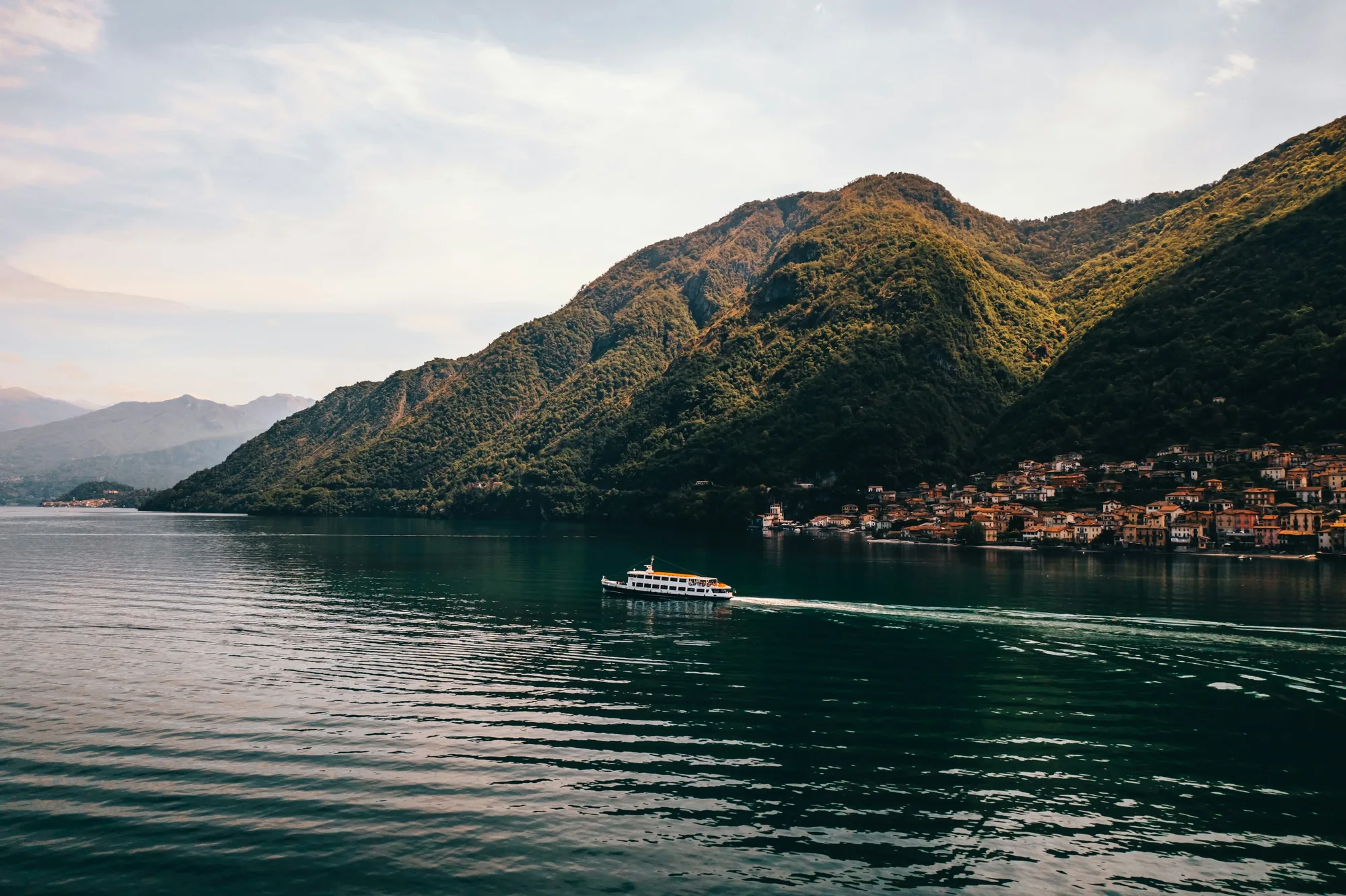 Bellagio · Lake Como
Como is the elegant urban gateway to the lake — a city where Roman origins, medieval layers and Lombard refinement blend with ease. At its centre stands the Cathedral of Santa Maria Assunta, whose construction began in 1396 and continued for centuries, producing a building of extraordinary equilibrium in which Gothic, Renaissance and later elements coexist in harmony. Next to the cathedral is the Broletto, the ancient seat of municipal government and still one of the most evocative civic buildings in the old town.
A short walk away, the basilica of Sant'Abbondio reveals a more ancient and contemplative face of the city — one of the great Romanesque churches of Lombardy, with an austere simplicity that makes it especially moving. For those who wish to discover Como as an art city, the Pinacoteca Civica offers a valuable reading of the region through works spanning the centuries.
Como is inseparably linked to the name of Alessandro Volta. The Tempio Voltiano, on the lakeside promenade, is dedicated to the great scientist and houses instruments, documents and memories of his work. It is the only museum in the world entirely dedicated to a single scientist. A few steps away begins one of the lake's most classic experiences: the funicular ascent to Brunate.
In just a few minutes the city is left behind for a quieter realm of woods, high air and open views. Brunate lives above all for its position and atmosphere; continuing to the Faro Voltiano — a lighthouse built in 1927 in Volta's honour — reaches a point where memory and landscape meet with rare effect, still commanding the entire Como basin.
Silk belongs to Como's identity as much as the lake itself. The Silk Museum tells not only the story of a craft of excellence but the full industrial and artisanal history of a city that built part of its international reputation around this knowledge. Machinery, fabric archives, production techniques and business history together paint the picture of a Como that is industrious, cultured and creative.
On the lakeside promenade, Villa Olmo represents the most monumental and scenic face of the city. The neoclassical villa — today publicly owned — hosts exhibitions, events and cultural initiatives; its park, open and refined (in summer until 23:00, free admission), is one of the most elegant places to walk by the lake. Next door is the Lido Villa Olmo, one of the few public bathing facilities on the Lario.
museosetacomo.com →Como has also rediscovered a strong sporting identity in recent years. Como 1907 currently plays in Serie A and combines a new international profile with the historical depth of a club deeply rooted in its territory. The Stadio Sinigaglia — right on the waterfront — is one of Italy's most distinctive and atmospheric grounds: a place where football and landscape genuinely converse.
calciocomofc.com →South of Como lies Cernobbio, where the lake takes on an even more aristocratic tone. Villa d'Este, an icon of international hospitality since 1873, embodies the classical and cosmopolitan style of Lake Como as few other places do. Villa Erba combines the prestige of a historic residence with a contemporary congress and cultural vocation. Both villas are best admired from the ferry.
More intimate but no less fascinating is Villa Bernasconi. This refined Art Nouveau building — today a public museum — tells its story also through its facade decoration, referencing the world of silk and the productive fabric of the region. It is one of the most elegant architectural counterpoints on the lake.
villabernasconi.eu →
The Valle d'Intelvi opens behind the western shore into an unexpected landscape of woods, heights and small villages. Connecting Lake Como with Lake Lugano, it divides into two branches — one towards San Fedele d'Intelvi, the other towards Osteno. Its emblematic site is Sighignola, the celebrated Balcony of Italy (1,320 m) — voted a "Luogo del Cuore" by the FAI — offering sweeping views over Lake Lugano, the mountains and, on clear days, an extraordinarily wide alpine horizon. A short forest path from the Ristorante La Baita reaches the summit in 20 minutes, suitable for children.
More than spectacular effect, the valley's charm lies in its silence, landscape depth and a sense of quietude that is increasingly rare. In the valley floor: the village of Plesio (750 m, above Menaggio) and the Val Sangra — a quiet side valley with chestnut trees, clearings and almost deserted paths. The Valle d'Intelvi is also the homeland of the Magistri Intelvesi, the legendary itinerant builders of the 17th century.
valleintelviturismo.it →For those wishing to climb above Tremezzina, the area of Monte Crocione (1,641 m) and Rifugio Venini offers some of the finest high-altitude hikes on the western shore. Monte Crocione, with its broad panoramas, is accessible — depending on the chosen route — even for non-specialist walkers; the Rifugio Venini at 1,575 m, between Monte Galbiga and Monte Tremezzo, is one of the classic panoramic points above the lake and Pre-Alps.
These ridges combine genuine mountain character with a surprising proximity to the lake. Classic route from Tremezzina: Argegno Cable Car to Pigra (648 m ascent in 4 min.), then on foot via Alpe di Colonno to Rifugio Venini and the summit — total ascent approx. 3–4 hours. Panorama from the Dolomites to Monte Rosa, with both arms of the lake visible simultaneously.
rifugiovenini.it →In the Triangolo Lariano, nature and cycling history combine in a unique way. The Sanctuary of the Madonna del Ghisallo, at 754 m above Magreglio, is the universal patron of cyclists worldwide — a title conferred by Pope Pius XII in 1949. On the chapel walls hang jerseys, bicycles and memorabilia of the great champions: Coppi, Bartali, Merckx, Pantani. A perpetual flame burns in honour of fallen riders.
Next door stands the Cycling Museum (open since 2006), which explores this history through original bicycles, film archives and interactive stations — from the first Giro d'Italia of 1909 to today's Tour de France. The Magreglio and Monte San Primo area is therefore at once landscape, sporting memory and a culture of movement. The Ghisallo is a classic climb of the Giro d'Italia.
museodelciclismo.it →Above the lake runs the Linea Cadorna — a historic trace now almost absorbed back into the landscape. Built between 1915 and 1918 along the Swiss border as a defence against a possible Austro-German invasion through neutral Switzerland — at the behest of General Luigi Cadorna — it was never used in combat, but remains intact: over 300 km of roads, 400 km of mule tracks, 72 km of trenches.
In the province of Como the line extended from Monte Bisbino through the Valle d'Intelvi, Monte Galbiga and Monte Crocione to Monte Crocetta — directly above Tremezzina. To walk it today means crossing forests and panoramic ridges, discovering a silent history inscribed directly into the landscape.
Among the great trails of the western shore, the Via dei Monti Lariani stands out — a high-altitude traverse of approximately 125 km from Cernobbio to Sorico, following the lake with broad and secluded perspectives. Above Menaggio rises La Grona (1,736 m), reachable from Breglia (750 m, bus C13 from Menaggio) via the Rifugio Menaggio — also known as the Montaigne Hut — at approx. 1,400 m (CAI, open in season, via ferrata present). Ascent from Breglia approx. 2–3 hours; panorama: Lake Como, Lake Lugano, Valais Alps.
More accessible and immediate is the Greenway del Lago di Como, which winds through the villages of Tremezzina on a gentle 11.2 km route past villas, gardens, Romanesque churches and lake views, following the historic Via Regina. Reachable on foot directly from La Cà del Pitu: the Parco Val Sanagra — a protected area described as a meeting ground between history, unspoilt nature and local traditions. Along the way: the Ethnographic Museum of Grandola e Uniti and the historic Fornace Galli. No car required.
greenwaylagodicomo.com →Milan is the great urban counterpoint to the lake: monumental, fast-paced, cultured, inexhaustible. At its heart stand the Duomo and Santa Maria delle Grazie with Leonardo's Last Supper — two sites that embody two of the city's deepest characters. Booking for the Last Supper is essential, ideally months in advance. For art: the Pinacoteca di Brera and Pinacoteca Ambrosiana; for atmosphere: the Navigli with their canals, bars and restaurants.
Milan is the ideal day trip for those seeking a sharp contrast with the quieter rhythms of the Lario. By car approx. 60–80 min. via the A9; by train from Como San Giovanni approx. 45 min. to Milano Centrale (Trenord, hourly).
Bergamo is one of the most captivating historic excursions near the lake. The Città Alta (Upper City) is defined by its Venetian walls (UNESCO World Heritage since 2017), its open spaces and an extraordinary urban compactness. At its centre: Piazza Vecchia with the Palazzo della Ragione (12th century) and the Cappella Colleoni — one of the most important Renaissance chapels in northern Italy.
The city also holds the Accademia Carrara — one of northern Italy's most significant art museums, with works by Bellini, Mantegna, Botticelli and Raphael. A perfect destination for those wishing to combine architectural beauty and great art. By car approx. 60–70 min.
Monza brings together motorsport, monarchy and landscape. The Autodromo Nazionale Monza — in use since 1922, the "Temple of Speed" — is open for guided tours and pit lane walks. Within the same park stands the Villa Reale di Monza — an 18th-century neoclassical royal palace set within the largest enclosed park in Europe (approx. 750 ha, open to the public).
The Cathedral holds in the Cappella di Teodolinda the Iron Crown — one of the most symbolically charged goldsmith's works of the western Middle Ages, used to crown kings and emperors of Italy. By car approx. 40 min.
Lugano is perhaps the most elegant of the cross-border day trips. The city blends Swiss precision and Italian lightness in a particularly harmonious formula — reachable in approx. 30–40 min. by car via the A2 (San Pietro in Stabio border crossing). For panoramas: Monte San Salvatore and Monte Brè, both served by funiculars.
On the cultural front, the MASI — Museo d'Arte della Svizzera Italiana, born from the merger of the Cantonal Museum of Art and the Museum of Art, is one of the main cultural references of Italian-speaking Switzerland. The LAC Lugano Arte e Cultura hosts its modern and contemporary art exhibitions. A third way to arrive: the Swiss PostBus Lugano–Menaggio service. Swiss francs or credit card; no Schengen visa required.
masilugano.ch →Chiavenna is a destination for those who prefer depth to spectacle. The town has a distinctly alpine character, ancient routes and above all its crotti — natural rock cavities that have shaped local gastronomic culture for centuries, today home to restaurants and wine cellars. Worth seeing: the Parco Marmitte dei Giganti (glacial potholes in the rock) and the Collegiate Church of San Lorenzo with the Pace di Chiavenna (12th century).
Nearby, in Prosto di Piuro, Palazzo Vertemate Franchi is one of the most notable Renaissance civic buildings in Lombardy — with frescoes, historic interiors and a garden. Chiavenna is also the gateway to the Val Bregaglia and the Maloja Pass towards St. Moritz. Local specialities: Scimudin cheese and bresaola from the Valchiavenna. Approx. 60 min. by car.
The Valtellina opens to the east of the lake into a more severely alpine world, marked by terraced vineyards, sun-drenched slopes and villages of strong identity. Its vineyards — Sassella, Grumello, Inferno, Valgella and the great Sforzato — extend for 70 km of terraces on the sunny valley slopes, all from Nebbiolo grapes (here called Chiavennasca). Sondrio, the valley's main town, is approx. 90 min. away.
Tirano is the southern departure point for the Bernina Express: the Albula and Bernina lines of the Rhaetian Railway have been UNESCO World Heritage since 2008, making every stretch — to Poschiavo or the Ospizio Bernina — an exceptional experience. In town: the Sanctuary of the Madonna di Tirano, one of Lombardy's most important pilgrimage sites.
Bernina Express → rhb.chBormio is the quintessential high-mountain day trip. The town combines thermal baths, an alpine historic centre and immediate proximity to the Stelvio National Park — one of Italy's largest and oldest national parks. The Stelvio Pass (2,758 m), with its 48 hairpin bends, is one of the most spectacular mountain passes in the Alps. This concentration of high mountains, mountain passes, thermal tradition and winter sports makes Bormio a destination that opens a completely different landscape dimension, even as a day trip.
The Terme di Bormio — thermal springs used since Roman times — offer thermal bathing with alpine views at Bagni Nuovi and Bagni Vecchi. Can be combined with an excursion to Livigno (duty-free, reachable via mountain pass). Approx. 2.5 hours by car.
St. Moritz represents the most worldly and alpine extension of a lake stay. Reachable in approx. 2.5–3 hours by car from Tremezzina (via Chiavenna and the Maloja Pass), or by Bernina Express from Tirano (approx. 2 hours), or by the Swiss PostBus line Lugano–Menaggio–St. Moritz, which connects Menaggio directly with the Engadine through some of the most beautiful alpine passes. The high Engadine valley at 1,800 m is a world unto itself.
Once at altitude, the Segantini Museum offers the cultural highlight: it holds the world's most complete and significant collection dedicated to Giovanni Segantini (1858–1899), the great innovator of alpine painting. The monumental triptych Life, Nature, Death is among the most moving works of art in the alpine region. St. Moritz thus combines landscape, altitude and art history in a wholly singular way.
segantini-museum.ch →Frequently asked questions about Lake Como
The Centrolago pass from Navigazione Laghi is a day ticket (approx. €17.50/person) for the central lake zone — Menaggio, Bellagio, Varenna, Cadenabbia, Tremezzo and Lenno. It allows unlimited crossings in a single day. If you're planning more than three crossings, it's excellent value. Available at the landing stages or online at navigazionelaghi.it →
A classic with the Centrolago pass: morning ferry to Bellagio (15 min.), a stroll through the Salite, Villa Melzi. Midday in Varenna (20 min.) — Villa Monastero, the Lovers' Walk, lunch at the harbour. Afternoon return via Cadenabbia to Tremezzo. All three shores in one day — the very best Lake Como has to offer.
Como deserves at least a full day — the Cathedral, Silk Museum, Tempio Voltiano, Villa Olmo, Brunate Funicular and a lakeside stroll are hard to squeeze into half a day. By ferry from Tremezzo approx. 90 min. (faster by hydrofoil); by car via the SS340 approx. 30 min.
Argegno is on the western shore, approx. 15 km south of Tremezzina. Reachable by bus C10 or by ferry from Tremezzo. The cable car climbs 648 m in 4–6 minutes (one of the steepest in Italy). At the top in Pigra: walking paths, exceptional views, absolute silence. Price: approx. €4.10 one way. Hours: daily approx. 9:00–17:00. atm.it →
Excellent idea — with the Centrolago pass: Villa Melzi in Bellagio in the morning (€10, approx. 1.5 hrs), then ferry to Varenna, Villa Monastero (€13–15, approx. 2 hrs). The two gardens are unique and stylistically very different — the neoclassical park in Bellagio, the long coastal botanical garden in Varenna. This trip takes in two of the lake's finest gardens in a single day.
A car is not needed for most excursions. The C10 bus (Como–Menaggio–Colico) serves all villages on the western shore. The Tremezzo and Lenno jetties connect to Bellagio, Varenna, Cadenabbia and Como. Timetables: ASF Bus → · Navigazione Laghi →